Addiction holds on through cravings and old habits, and through low moods that make quitting feel impossible. Some people in Miami ask about ketamine after standard treatment has not been enough. It is one of the newest and most experimental options in this area. Researchers are still testing ketamine for addiction, the results so far have clear limits, and at HealthyMe it would only fit inside real recovery care.
When Standard Addiction Treatment Has Not Been Enough

Proven addiction care includes counseling, behavioral therapy, peer support, and, for some substances, medications like naltrexone or buprenorphine. These work for many people, and they remain the foundation of recovery. But relapse is common, and cravings and low mood often undercut the best efforts. Researchers have been looking at whether ketamine can give behavioral treatment a better chance of taking hold.
At HealthyMe Medical Therapies in Miami Shores, Dr. Carlos Sanchez talks through this option with patients from across Miami-Dade. He is direct that ketamine is not a standalone cure and only makes sense as part of a broader recovery plan.
How Ketamine May Help With Addiction
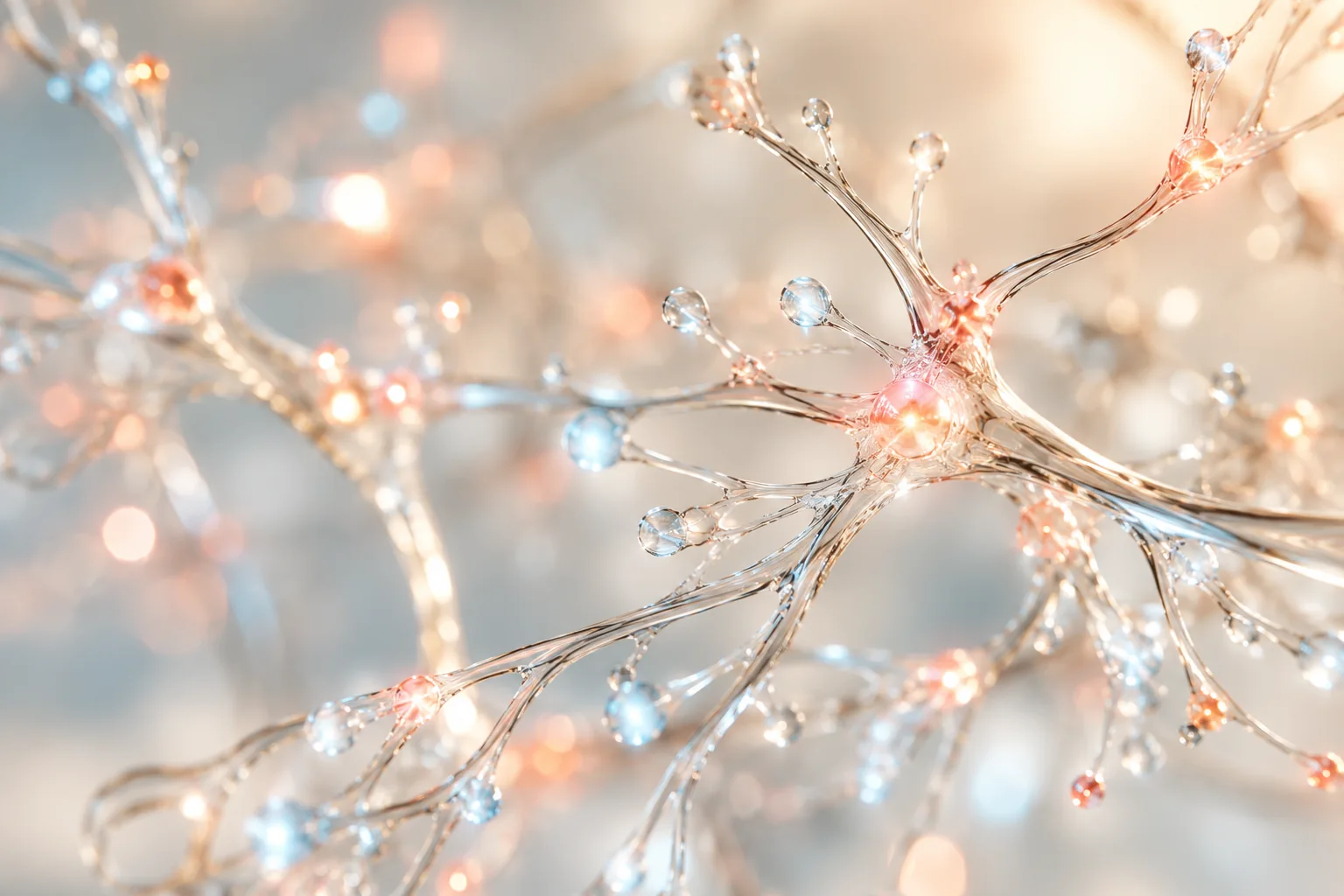
Ketamine acts on glutamate, one of the brain’s main signaling chemicals, and appears to help neurons form new connections. In addiction research, the idea is that this may briefly reduce cravings, lift the low mood that drives relapse, and open a window where behavioral therapy can do more. In a Columbia University trial, a single ketamine infusion paired with talk therapy increased abstinence in adults with alcohol use disorder compared with an active control. Participants received the infusion together with therapy, and the result reflects that combination.
What the Research Actually Shows

Addiction is the most experimental of ketamine’s uses, and the evidence has clear limits. Most of the studies are small and focus on alcohol and cocaine, and nearly all of them pair the infusion with psychotherapy rather than giving ketamine alone. In one cocaine trial, about 48 percent of people who received ketamine alongside therapy stayed abstinent over the final two weeks, compared with about 11 percent who received an active placebo. Results like that are promising, but they come from early research in specific settings. Ketamine is not FDA-approved for addiction. Anyone presenting it as a proven addiction cure is going well past what the evidence supports.
Ketamine and Misuse Risk

Ketamine can itself be misused, and it has a potential for dependence when used outside medical control. Dr. Sanchez weighs that risk before considering it for addiction. For that reason, HealthyMe keeps treatment inside a supervised clinic: doses are low and controlled, each infusion happens under a medical team’s watch, you never take medication home, and the treatment is tied to ongoing recovery support. Dr. Sanchez evaluates each person carefully, and for some people ketamine will not be the right choice for this reason.
What It May Help With
The research so far centers on alcohol use disorder and cocaine use disorder, with smaller studies touching other substances. Addiction also overlaps with depression and anxiety, and treating that underlying mood can be part of what helps. If depression is part of your situation, you can read more on the ketamine for depression page.
Who Is a Candidate for Ketamine

Dr. Sanchez considers ketamine for addiction only for adults who are engaged in a real recovery plan, since the infusion is meant to support therapy, not stand in for it. It is not a first-line treatment, and it is not right for everyone. Some heart conditions, uncontrolled high blood pressure, a history of certain psychotic disorders, and specific patterns of substance use can make it a poor or unsafe fit. Every patient starts with a full evaluation of their history, current use, other medications, and goals.
What a Ketamine Infusion at HealthyMe Involves

HealthyMe delivers ketamine by IV infusion at the Miami Shores clinic. You settle into a private, quiet space, and a member of the medical team places the IV and starts the infusion at a low, controlled dose. Over roughly the next 40 to 60 minutes, the medication runs while staff monitor your blood pressure, heart rate, and comfort. Many people feel a floating or dreamlike sensation during the session, which passes soon after it ends. You then rest and arrange a ride home rather than driving yourself. You can read more about how the clinic runs its infusions on the main ketamine therapy page.
Ketamine Is Not a Standalone Cure

Several trials reporting benefits paired ketamine with counseling or behavioral therapy. On its own, an infusion is not addiction treatment. Think of it as a possible boost to the recovery work you are already doing, given at a point when your brain may be more open to change. Dr. Sanchez coordinates the treatment with your ongoing recovery care rather than treating it as a one-time fix.
Getting Started in Miami

If standard treatment has not been enough and you are committed to a recovery plan, a consultation is a way to find out whether ketamine could support that work. Dr. Sanchez will review your history and your goals and give you a straight, realistic answer. You can see the clinic’s full range of mental health treatments or book a consultation to talk it through.
Frequently Asked Questions
Does ketamine help with addiction?
Early research suggests it may help for some people, mainly with alcohol and cocaine use disorder, and mainly when paired with therapy. The studies are small and this is the most experimental of ketamine’s uses, so it is best to keep expectations realistic.
Is ketamine FDA-approved for addiction?
No. Ketamine is not FDA-approved for addiction, and its use in this area is experimental and off-label. It is prescribed, when appropriate, based on early research and clinical judgment, and always as part of a broader recovery plan.
Can ketamine treat alcohol or cocaine addiction?
Most of the research focuses on these two. In trials, a ketamine infusion paired with therapy improved abstinence compared with an active control. Those trials tested ketamine together with therapy, so the results apply to the combination.
Is it safe to use ketamine to treat addiction when ketamine can be misused?
Ketamine does carry a misuse risk, so HealthyMe keeps treatment fully supervised. Doses are low and controlled, infusions happen under a medical team’s watch, no medication goes home with you, and the treatment is tied to ongoing recovery support. For some patients, this risk means ketamine is not the right choice, and Dr. Sanchez uses the evaluation to identify those patients.
Does ketamine replace rehab or therapy?
No. In every study that showed a benefit, ketamine was combined with counseling or behavioral therapy. It is meant to support recovery work, not replace it.
How many ketamine sessions are used for addiction?
It varies, and the research protocols differ. Because this use is still emerging, Dr. Sanchez sets the plan for each individual and coordinates it with their recovery care instead of following a single fixed schedule.
Where can I get ketamine for addiction in Miami?
HealthyMe Medical Therapies offers IV ketamine infusions at its Miami Shores clinic at 9600 NE 2nd Ave, serving patients across Miami-Dade. A consultation is the place to find out whether it makes sense alongside your recovery plan.
If you or someone you know is struggling with substance use, the SAMHSA National Helpline offers free, confidential support 24/7 at 1-800-662-4357.
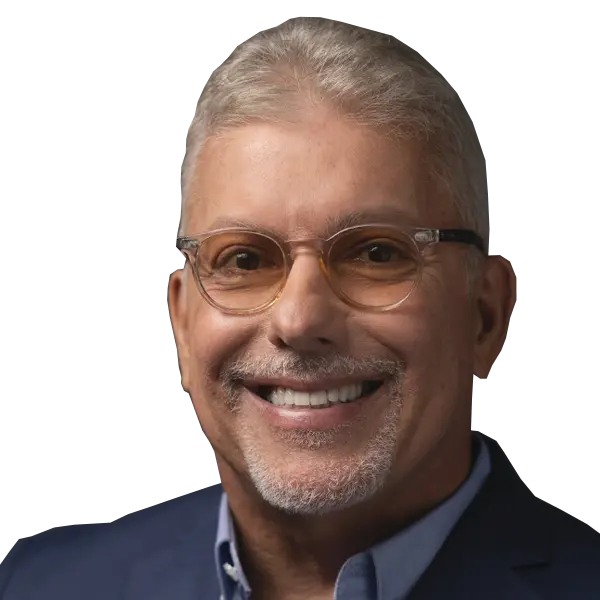
About Dr. Carlos Sanchez
I'm Dr. Carlos Sanchez, dedicated to transforming lives through integrative medicine. My passion is restoring vitality using therapies I trust and use myself. At HealthyMe, we combine cutting-edge treatments with compassionate care to help you thrive.

Your wellness journey starts now.
You've suffered long enough. Schedule a no-obligation consultation with Dr. Sanchez.

© 2025 HealthyMe Medical Therapies - all rights reserved. Marketing by Klicker