Anxiety that will not quiet down wears on everything: your sleep, your work, your relationships, your sense of what a normal day feels like. If therapy and the usual medications have not brought enough relief, ketamine is one of the options people in Miami start asking about. The evidence for anxiety is more limited than for depression, and at HealthyMe it is a monitored IV treatment for adults whose anxiety has not improved with standard care.
When Anxiety Does Not Respond to Standard Treatment

For most people, anxiety treatment starts with therapy, often cognitive behavioral therapy, and medications such as SSRIs. Those work well for many patients. Benzodiazepines can calm symptoms fast, but they carry a real risk of dependence and are not meant for long-term daily use. If these approaches fall short, or if the side effects are hard to live with, it makes sense to look at other options.
At HealthyMe Medical Therapies in Miami Shores, Dr. Carlos Sanchez works with patients from across Miami-Dade whose anxiety has not eased enough with standard care. Ketamine is one of the tools he uses, and he is direct about where it fits and where it does not.
How Ketamine Works for Anxiety

Most anxiety medications act on serotonin and take weeks to build up. Ketamine works on a different system. It acts on glutamate, one of the brain’s main signaling chemicals, and appears to help neurons form new connections. That same mechanism is behind its faster effect on mood. In a randomized, placebo-controlled trial in adults with social anxiety disorder, a single low dose of IV ketamine reduced anxiety symptoms more than placebo. Some patients notice an effect within hours to a few days, rather than the weeks a daily medication needs.
What the Research Actually Shows

Ketamine’s track record is strongest for depression, where it has been studied the most. For anxiety, the research is newer and the studies are smaller. Most of the anxiety trials so far have looked at social anxiety disorder and generalized anxiety disorder, often in small groups of patients, with promising but early results. Ketamine is not FDA-approved for anxiety. Its use for anxiety is off-label, meaning it is prescribed based on this emerging evidence and clinical experience rather than a specific FDA sign-off for that use. Anyone who tells you ketamine is a proven cure for anxiety is overselling it. The evidence supports a more modest claim: it may help, especially when other treatments have not.
Types of Anxiety Ketamine May Help
The strongest signal so far is in social anxiety disorder and generalized anxiety disorder. Ketamine is also used for anxiety that occurs with depression or PTSD, which is common, since these conditions often overlap in the same person. If your anxiety comes with low mood, panic, or past trauma, bring that up at your consultation, because Dr. Sanchez builds the plan around the full picture. If depression is part of what you are dealing with, you can read more on the ketamine for depression page.
Who Is a Candidate for Ketamine

Dr. Sanchez generally considers ketamine for adults whose anxiety has not improved with standard treatment. It is not a first-line treatment, and it is not right for everyone. Some heart conditions, uncontrolled high blood pressure, a history of certain psychotic disorders, and active substance misuse can make it a poor or unsafe fit. There is also a practical point specific to anxiety: the dissociative feeling ketamine can produce during a session is unsettling for some anxious patients, which is one more reason the medical team stays close by during the first infusion. Every patient starts with a full evaluation of their history, current medications, and goals.
What a Ketamine Infusion at HealthyMe Involves

HealthyMe delivers ketamine by IV infusion at the Miami Shores clinic. You settle into a private, quiet space, and a member of the medical team places the IV and starts the infusion at a low, controlled dose. Over roughly the next 40 to 60 minutes, the medication runs while staff monitor your blood pressure, heart rate, and comfort. Many people feel a floating or dreamlike sensation during the session. After it ends, you rest until you feel steady, and you arrange a ride home rather than driving yourself.
Most people need a short series of infusions rather than a single visit, and some continue with occasional maintenance sessions afterward. Ketamine works best alongside ongoing mental health care, so patients keep seeing their therapist or psychiatrist during treatment. You can read more about how the clinic runs its infusions on the main ketamine therapy page.
Is Ketamine Safe?

In a monitored medical setting, ketamine has a long safety record at the low doses used for mental health. The common effects happen during or shortly after the infusion and tend to pass on their own: a dissociated or dreamlike feeling, mild dizziness, nausea, or a temporary rise in blood pressure and heart rate. A session can briefly heighten anxiety in some people before it settles, so the medical team stays close by during the session. Ketamine can also be misused recreationally, which is why treatment stays supervised, doses stay controlled, and you do not take it home.
Serious risks include breathing problems and misuse. Repeated exposure may affect the bladder or liver. Discuss monitoring and long-term uncertainties with your clinician.
What to Expect From Results

People who respond may feel relief sooner than they would with a daily medication, sometimes within the first few sessions. But both the timing and the degree vary from person to person, and the anxiety response is less established than the depression response. Some people get meaningful relief, some get a little, and some do not respond at all. Because the effect can fade, a maintenance plan is common. Dr. Sanchez tracks how you respond and adjusts rather than running everyone through the same fixed protocol.
Getting Started in Miami

If anxiety has not eased with therapy and medication, a consultation is a low-pressure way to find out whether ketamine is a reasonable next step. Dr. Sanchez will review your history and your goals, then give you a straight answer about whether it fits your situation. You can see the clinic’s full range of mental health treatments or book a consultation to talk it through.
Frequently Asked Questions
Does ketamine help with anxiety?
For some people, yes. Early research, including a placebo-controlled trial in social anxiety disorder, found that IV ketamine reduced anxiety symptoms. The evidence is more limited than it is for depression, and it does not work for everyone, so Dr. Sanchez monitors your response from the first session.
How fast does ketamine work for anxiety?
People who respond may feel relief within hours to a few days, rather than the weeks a daily anxiety medication takes to build up. The fuller benefit usually develops over a short series of sessions.
Is ketamine FDA-approved for anxiety?
No. Ketamine is used off-label for anxiety, meaning it is prescribed based on emerging research and clinical experience rather than a specific FDA approval. Spravato is approved for certain depression indications, not for anxiety.
Can ketamine treat anxiety and depression at the same time?
Some people may notice improvement in both, but a response is not guaranteed. Anxiety and depression frequently occur together, and evidence is stronger for depression. Many patients come in with a mix of the two, which Dr. Sanchez factors into the treatment plan.
What types of anxiety does ketamine treat?
Most of the research so far focuses on social anxiety disorder and generalized anxiety disorder. Ketamine is also used for anxiety that comes alongside depression or PTSD. A consultation is the best way to tell whether your specific situation is a reasonable fit.
Is ketamine for anxiety addictive?
Ketamine can be misused outside a medical setting, which is why the clinic supervises treatment. Doses are low and controlled, the infusion happens under a medical team’s watch, and you do not take medication home with you.
Where can I get ketamine for anxiety in Miami?
HealthyMe Medical Therapies offers IV ketamine infusions at its Miami Shores clinic at 9600 NE 2nd Ave, serving patients across Miami-Dade. You can book a consultation to find out whether it fits your situation.
If you are in crisis or thinking about harming yourself, call or text 988 to reach the Suicide and Crisis Lifeline for immediate support.
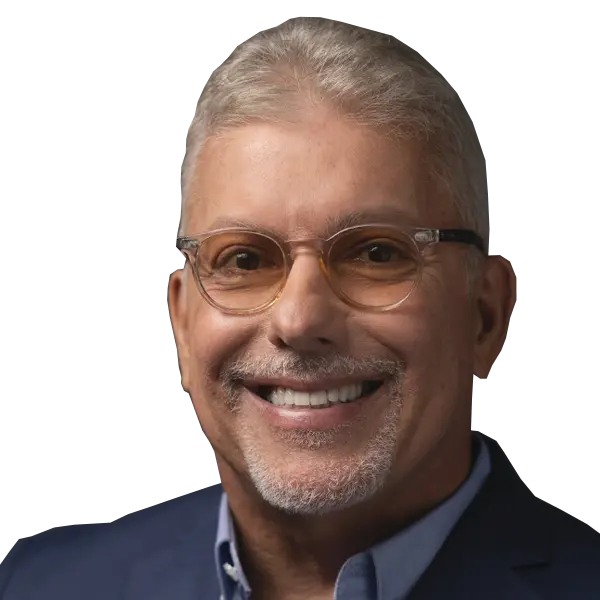
About Dr. Carlos Sanchez
I'm Dr. Carlos Sanchez, dedicated to transforming lives through integrative medicine. My passion is restoring vitality using therapies I trust and use myself. At HealthyMe, we combine cutting-edge treatments with compassionate care to help you thrive.

Your wellness journey starts now.
You've suffered long enough. Schedule a no-obligation consultation with Dr. Sanchez.
© 2025 HealthyMe Medical Therapies - all rights reserved. Marketing by Klicker