PTSD shows up in your sleep, your startle response, the places you avoid, and the way an ordinary moment can drag you back into the worst one. If trauma-focused therapy and standard medications have not brought enough relief, ketamine is one of the options worth understanding. Small randomized trials have found it can reduce chronic PTSD symptoms, and HealthyMe pairs it with ongoing trauma-focused therapy.
When PTSD Does Not Respond to Standard Treatment

The usual first steps for PTSD are trauma-focused therapy, such as prolonged exposure or EMDR, and medications like SSRIs. These help many people. But a large share of patients keep struggling with symptoms after trying them, and the medications approved for PTSD can take weeks to work and often leave symptoms only partly controlled. Researchers are studying newer options, including ketamine, for patients in that gap.
At HealthyMe Medical Therapies in Miami Shores, Dr. Carlos Sanchez works with patients from across Miami-Dade whose PTSD has not eased enough with standard care. Ketamine is one of the treatments he uses for this situation, and he is clear about how it fits alongside therapy rather than replacing it.
How Ketamine Works for PTSD

Most PTSD medications act on serotonin. Ketamine works on glutamate, one of the brain’s main signaling chemicals, and appears to help neurons form new connections. Researchers think this may briefly make the brain more able to update the fear and memory patterns that keep PTSD locked in place. In a randomized trial at Mount Sinai, a two-week course of six ketamine infusions reduced chronic PTSD symptoms more than an active placebo, and the improvement was both rapid and held for several weeks.
What the Research Actually Shows

Evidence for ketamine in PTSD is mixed and limited. The VA/DoD PTSD guideline suggests against ketamine for PTSD. Some small trials reported benefits, but that does not establish routine effectiveness. The Mount Sinai work includes a first proof-of-concept trial of a single infusion and a later trial of repeated infusions, both showing meaningful symptom reduction, but the studies so far have been small. Ketamine is not FDA-approved for PTSD. Its use for PTSD is off-label, meaning it is prescribed based on this research and clinical experience rather than a specific FDA approval. It is not a cure, and it works best as part of a plan that includes trauma-focused therapy rather than on its own.
Symptoms Ketamine May Help
In the research, people who responded saw improvement in the core clusters of PTSD: intrusive thoughts and memories, avoidance, and the negative shifts in mood and thinking that trauma leaves behind. Ketamine also tends to ease the depression that often accompanies PTSD. If your PTSD comes with depression or anxiety, which is common, tell Dr. Sanchez, because he builds the plan around that fuller picture. You can read more on the ketamine for depression page and the ketamine for anxiety page.
Who Is a Candidate for Ketamine

Dr. Sanchez generally considers ketamine for adults whose PTSD has not improved with standard treatment. It is not a first-line treatment, and it is not right for everyone. Some heart conditions, uncontrolled high blood pressure, a history of certain psychotic disorders, and active substance misuse can make it a poor or unsafe fit. There is also a point specific to trauma: the dissociative feeling ketamine can produce during a session can be intense, and for some trauma survivors that is difficult, which is one more reason the medical team stays close during every infusion. Every patient starts with a full evaluation of their history, current medications, and goals.
What a Ketamine Infusion at HealthyMe Involves

HealthyMe delivers ketamine by IV infusion at the Miami Shores clinic. You settle into a private, quiet space, and a member of the medical team places the IV and starts the infusion at a low, controlled dose. Over roughly the next 40 to 60 minutes, the medication runs while staff monitor your blood pressure, heart rate, and comfort. Many people feel a floating or dreamlike sensation during the session, which passes soon after the infusion ends. You then rest until you feel steady and arrange a ride home rather than driving yourself.
PTSD treatment usually means a short series of infusions rather than a single visit. In the Mount Sinai trial, that was six infusions over two weeks, and some patients continue with occasional maintenance sessions afterward. You can read more about how the clinic runs its infusions on the main ketamine therapy page.
Ketamine Works Best Alongside Trauma Therapy

Ketamine is not a substitute for processing what happened to you. If ketamine is considered, ongoing trauma-focused care remains essential, using the period after treatment, when the brain may be more open to change, to do the harder work of therapy. Patients keep seeing their therapist or psychiatrist throughout, and Dr. Sanchez coordinates care rather than treating the infusions as a standalone fix.
Is Ketamine Safe?

In a monitored medical setting, ketamine has a long safety record at the low doses used for mental health. The common effects happen during or shortly after the infusion and tend to pass on their own: a dissociated or dreamlike feeling, mild dizziness, nausea, or a temporary rise in blood pressure and heart rate. In the PTSD trials, dissociation during the infusion did not last beyond the observation period afterward. Ketamine can be misused recreationally, which is why treatment stays supervised, doses stay controlled, and you do not take it home.
Serious risks include breathing problems and misuse. Repeated exposure may affect the bladder or liver. Discuss monitoring and long-term uncertainties with your clinician.
What to Expect From Results

People who respond may feel relief quickly, sometimes within the first infusions, and it can hold for weeks. But both the timing and the degree vary, and not everyone responds. Because the effect can fade, a maintenance plan is common. Dr. Sanchez tracks how you respond and adjusts the plan instead of running everyone through the same fixed protocol.
Getting Started in Miami
If PTSD has held on despite therapy and medication, a consultation is a low-pressure way to find out whether ketamine is a reasonable next step. Dr. Sanchez will review your history and your goals, then give you a straight answer about whether it fits. You can see the clinic’s full range of mental health treatments or book a consultation to talk it through.
Frequently Asked Questions
Does ketamine help with PTSD?
For some people, yes. Randomized trials, including repeated-infusion research at Mount Sinai, found that ketamine reduced chronic PTSD symptoms more than an active placebo. The studies are still small, and it does not work for everyone, so Dr. Sanchez monitors your response from the first session.
How fast does ketamine work for PTSD?
For people who respond, symptoms can ease within the first infusions, faster than standard PTSD medications, which usually take weeks. The fuller benefit tends to build over a short series of sessions.
Is ketamine FDA-approved for PTSD?
No. Ketamine is used off-label for PTSD, meaning it is prescribed based on clinical research and experience rather than a specific FDA approval. Spravato is approved for certain depression indications, not for PTSD.
How many ketamine sessions are needed for PTSD?
Research on PTSD has used a course of six infusions over about two weeks, and some patients continue with occasional maintenance sessions. The exact number depends on how you respond, which Dr. Sanchez tracks as you go.
Does ketamine replace therapy for PTSD?
No. Ketamine does not replace trauma-focused therapy, not instead of it. The infusions may open a window for the deeper work of therapy, so patients keep seeing their therapist or psychiatrist during treatment.
Is ketamine safe for someone with PTSD?
In a supervised clinic, it has a strong safety record at these doses. The dissociative feeling during a session can be intense, which is why the medical team stays with you throughout. Before treatment, Dr. Sanchez runs a full evaluation to screen for conditions that would make it a poor fit.
Where can I get ketamine for PTSD in Miami?
HealthyMe Medical Therapies offers IV ketamine infusions at its Miami Shores clinic at 9600 NE 2nd Ave, serving patients across Miami-Dade. You can book a consultation to find out whether it fits your situation.
If you are in crisis or thinking about harming yourself, call or text 988 to reach the Suicide and Crisis Lifeline for immediate support.
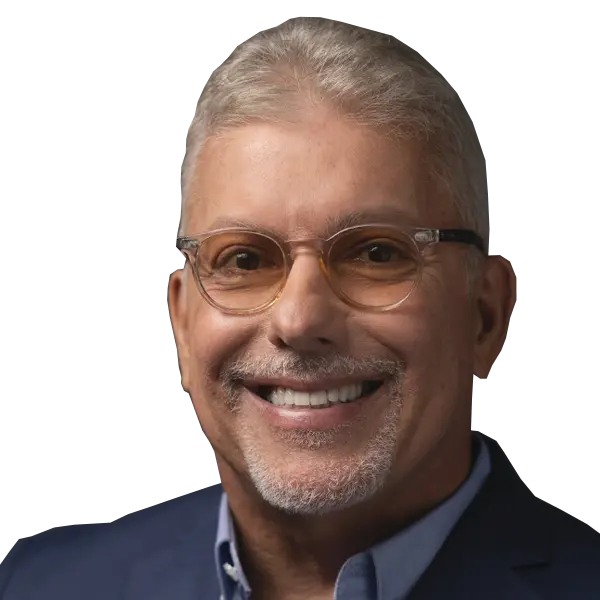
About Dr. Carlos Sanchez
I'm Dr. Carlos Sanchez, dedicated to transforming lives through integrative medicine. My passion is restoring vitality using therapies I trust and use myself. At HealthyMe, we combine cutting-edge treatments with compassionate care to help you thrive.


Your wellness journey starts now.
You've suffered long enough. Schedule a no-obligation consultation with Dr. Sanchez.

© 2025 HealthyMe Medical Therapies - all rights reserved. Marketing by Klicker