Chronic pain wears on your body and the rest of your life, costing you sleep, work, patience, and the sense that treatment is going anywhere. If the usual medications stop helping or come with side effects you cannot live with, ketamine is one of the options patients in Miami ask about, especially those trying to avoid or reduce opioids. The strongest evidence, rated moderate, is for complex regional pain syndrome, and support for most other pain conditions is weak or mixed.
When Chronic Pain Does Not Respond to Standard Treatment

Standard chronic pain care runs through anti-inflammatories, nerve medications, physical therapy, and sometimes opioids. For many kinds of pain that is enough. But certain pain conditions, especially nerve-related and centralized pain, do not respond well to those tools, and long-term opioid use brings its own serious risks. If pain persists despite a reasonable plan, it makes sense to look at treatments that work through a different mechanism.
At HealthyMe Medical Therapies in Miami Shores, Dr. Carlos Sanchez sees patients from across Miami-Dade whose pain has not eased with standard care. Ketamine is one of the tools he uses, and he is candid about which pain conditions it tends to help and which it does not.
How Ketamine Works for Pain
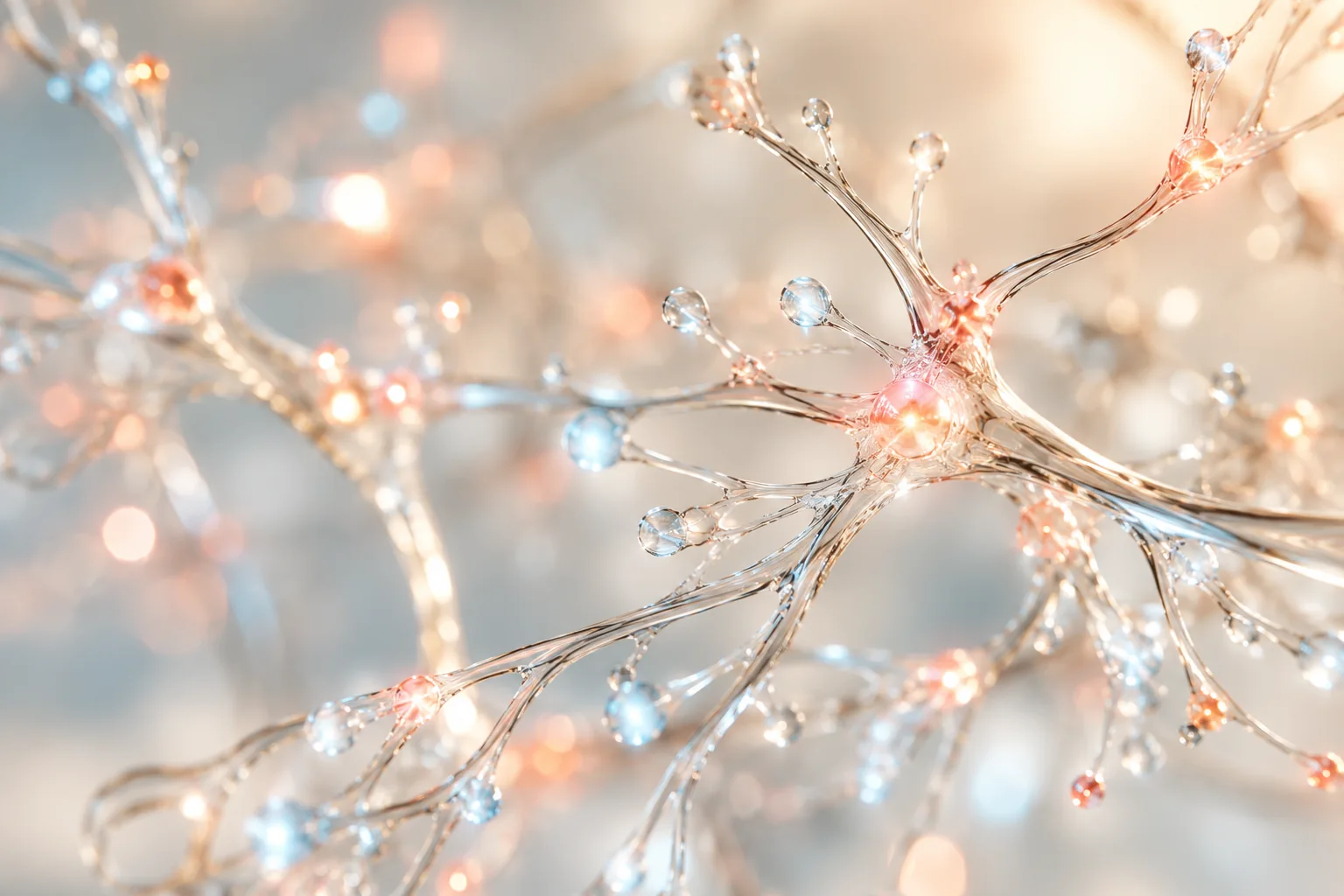
Ketamine is a non-opioid medication that blocks NMDA receptors in the nervous system. In long-standing pain, the nervous system can become oversensitized, amplifying pain signals long after the original injury. By acting on that system, ketamine may help turn down this amplified signaling, sometimes called central sensitization. According to the consensus guidelines from the American Society of Regional Anesthesia and Pain Medicine and its partner organizations, IV ketamine has moderate evidence supporting its use for complex regional pain syndrome, with pain relief lasting up to about 12 weeks.
What the Research Actually Shows

The evidence depends heavily on the type of pain. The strongest support is for complex regional pain syndrome (CRPS), where the guidelines found moderate-quality evidence for meaningful relief. For other conditions, including mixed neuropathic pain, fibromyalgia, cancer pain, and low-back pain, the evidence is weak or mixed, and for most of those the guidelines did not find good support for lasting relief. Ketamine for chronic pain is used off-label, meaning it is prescribed based on this evidence and clinical judgment rather than a specific FDA approval for pain. It is a tool for specific situations, not a cure-all, and Dr. Sanchez explains those limits before you start.
Types of Pain Ketamine May Help
Ketamine is most often considered for complex regional pain syndrome and certain nerve-related pain that has not responded to other treatments. It is sometimes tried for fibromyalgia and other centralized pain conditions, though the evidence there is thinner. Chronic pain and depression frequently worsen each other. If low mood is part of your experience, raise it at your consultation, since ketamine acts on both. You can read more on the ketamine for depression page.
Who Is a Candidate for Ketamine

Dr. Sanchez generally considers ketamine for adults whose chronic pain has not improved with standard treatment. It is not a first-line treatment, and it is not right for everyone. The pain guidelines list poorly controlled cardiovascular disease, active psychosis, active substance misuse, pregnancy, and significant liver disease as reasons to avoid or use caution with ketamine. Every patient starts with a full evaluation of their history, current medications, and goals so the fit and safety are clear before treatment.
What a Ketamine Infusion at HealthyMe Involves

HealthyMe delivers ketamine by IV infusion at the Miami Shores clinic. You settle into a private space, and a member of the medical team places the IV and starts the infusion at a controlled dose. Pain infusions are often given at different doses and durations than mental health infusions, and the team monitors your blood pressure, heart rate, and comfort throughout. Many people feel a floating or dreamlike sensation during the session. Afterward you rest until you feel steady and arrange a ride home rather than driving yourself.
Chronic pain treatment usually means a series of infusions rather than a single visit, and some patients return for maintenance sessions as relief fades. You can read more about how the clinic runs its infusions on the main ketamine therapy page, or see the range of options for pain on the chronic pain page.
A Non-Opioid Option
One reason ketamine draws interest for pain is that it is not an opioid. For people worried about dependence, or for those whose pain has stopped responding to opioids, a non-opioid approach that works through a different mechanism can be worth considering. Ketamine is not risk-free and is not right for every kind of pain, but for the conditions where it helps, it offers a path that does not add to opioid exposure.
Is Ketamine Safe?

In a monitored medical setting, ketamine has a long safety record. The common effects happen during or shortly after the infusion and tend to pass on their own: a dissociated or dreamlike feeling, mild dizziness, nausea, or a temporary rise in blood pressure and heart rate. The medical team stays with you through the session to keep these manageable. Ketamine can be misused recreationally, which is another reason treatment stays supervised, doses stay controlled, and you do not take it home.
Serious risks include breathing problems and misuse. Repeated exposure may affect the bladder or liver. Discuss monitoring and long-term uncertainties with your clinician.
What to Expect From Results

For pain conditions that respond, relief can last weeks after a course of infusions, but the timing and the degree vary from person to person, and some pain types do not respond at all. Because the effect can fade, a maintenance plan is common. Ketamine usually works best as one part of a broader pain plan that includes physical therapy and other care, not as a replacement for all of it. Dr. Sanchez tracks how you respond and adjusts rather than using a fixed protocol for everyone.
Getting Started in Miami

If chronic pain has not eased with standard treatment, a consultation is a practical way to find out whether ketamine is a reasonable option for your specific condition. Dr. Sanchez will review your history and your goals, then give you a straight answer. You can see the clinic’s approach to chronic pain or book a consultation to talk it through.
Frequently Asked Questions
Does ketamine work for chronic pain?
It depends on the type of pain. The strongest evidence is for complex regional pain syndrome, where consensus guidelines found moderate support for relief lasting up to about 12 weeks. For many other chronic pain conditions the evidence is weaker, which is why a consultation focuses on whether your specific pain is a reasonable fit.
What types of pain does ketamine treat?
Ketamine is used most for complex regional pain syndrome and certain nerve-related pain that has not responded to other treatments. It is sometimes tried for fibromyalgia and other centralized pain, though the evidence for those is thinner.
Is ketamine an opioid?
No. Ketamine is a non-opioid medication that works on NMDA receptors in the nervous system. That is part of why it draws interest for people trying to avoid or reduce opioids.
How long does ketamine pain relief last?
For pain conditions that respond, relief can last weeks after a course of infusions. It varies from person to person, and because the effect can fade, many patients return for maintenance sessions.
Is ketamine FDA-approved for chronic pain?
Ketamine is used off-label for chronic pain, meaning it is prescribed based on clinical guidelines and judgment rather than a specific FDA approval for pain. Professional pain societies have published consensus guidelines on how to use it for certain conditions.
How many ketamine infusions will I need for pain?
Chronic pain treatment usually involves a series of infusions rather than one visit, with maintenance sessions as relief fades. The number depends on your condition and how you respond, which Dr. Sanchez tracks throughout.
Where can I get ketamine for chronic pain in Miami?
HealthyMe Medical Therapies offers IV ketamine infusions at its Miami Shores clinic at 9600 NE 2nd Ave, serving patients across Miami-Dade. You can book a consultation to find out whether it fits your specific pain.

About Dr. Carlos Sanchez
I'm Dr. Carlos Sanchez, dedicated to transforming lives through integrative medicine. My passion is restoring vitality using therapies I trust and use myself. At HealthyMe, we combine cutting-edge treatments with compassionate care to help you thrive.

Your wellness journey starts now.
You've suffered long enough. Schedule a no-obligation consultation with Dr. Sanchez.

© 2025 HealthyMe Medical Therapies - all rights reserved. Marketing by Klicker