Human growth hormone (HGH) is a legitimate prescription medicine for a specific medical condition: adult growth hormone deficiency. It is not an anti-aging treatment, and HealthyMe does not prescribe it as one. Before any prescription, Dr. Sanchez confirms the diagnosis with testing and keeps treatment within the uses the FDA has approved.
What HGH Is Approved to Treat

The pituitary gland makes growth hormone naturally. In some adults, disease, a pituitary tumor, surgery, radiation, or head trauma damages that system and the body stops making enough. That is adult growth hormone deficiency, and it is the condition HGH replacement is meant for. In adults, HGH is also approved for muscle wasting caused by HIV or AIDS. Approved uses vary by product and require a confirmed medical diagnosis.
The Legal Facts You Should Know
A lot of clinics blur the legal limits on HGH. As the Mayo Clinic states plainly, in the United States it is illegal to use HGH for any condition the FDA has not approved, which means using it to build muscle or as an anti-aging treatment is against the law. HGH is not a supplement, and the over-the-counter products marketed as HGH boosters are not the same thing. HealthyMe only offers HGH for its approved medical use, so Dr. Sanchez starts by finding out whether you actually have a deficiency.
Signs and Diagnosis of Growth Hormone Deficiency
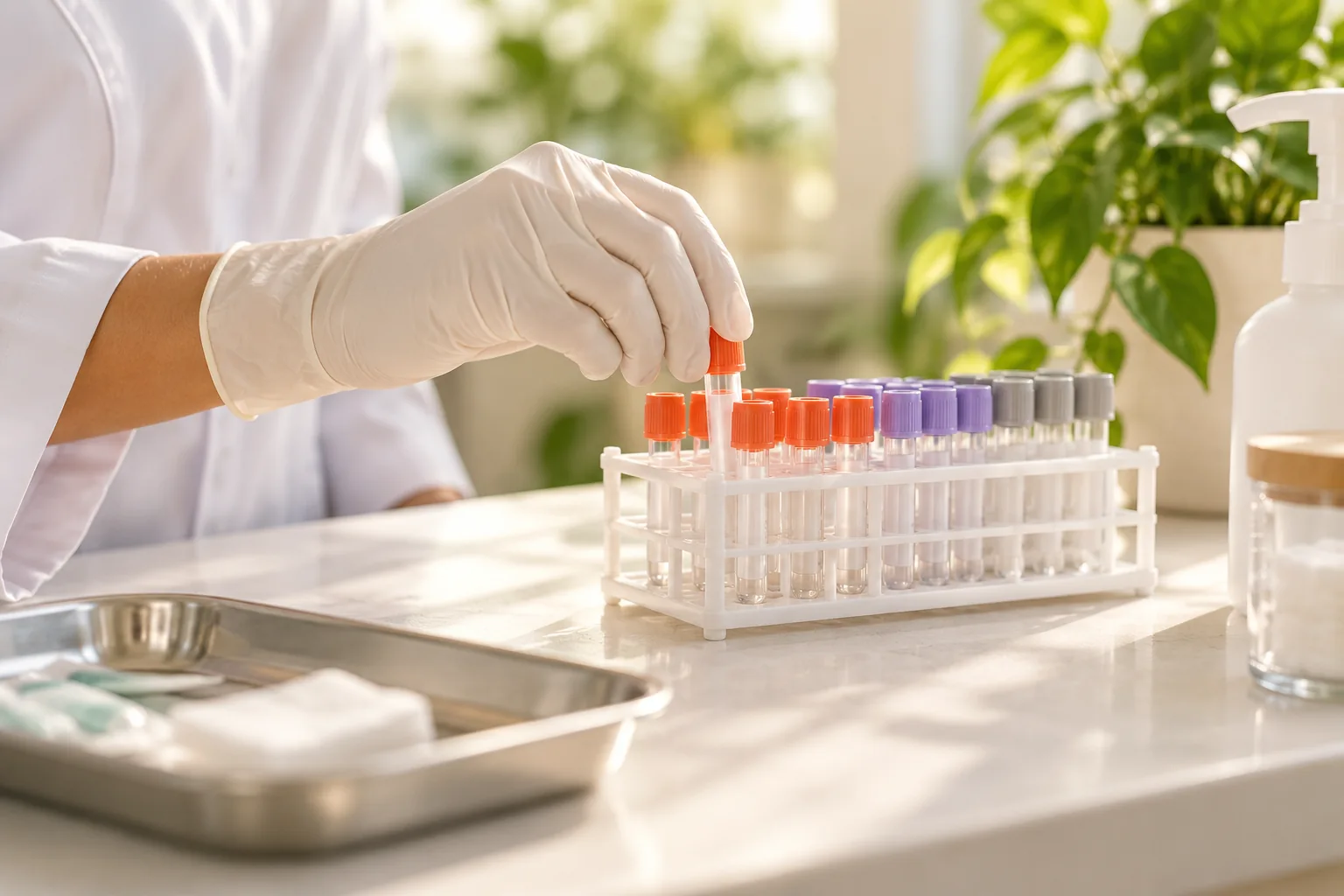
Adult growth hormone deficiency can show up as low energy, reduced muscle, more body fat around the middle, weak bones, and low mood. These are nonspecific, so symptoms alone do not diagnose it. Diagnosis relies on blood work and, in most cases, specialized stimulation testing that measures how your body releases growth hormone, along with a look at your pituitary history. Dr. Sanchez uses this workup to determine whether a true deficiency exists before any treatment is on the table.
Who Is a Candidate

HGH therapy is appropriate only for adults with diagnosed growth hormone deficiency confirmed through proper testing. It is not appropriate, or legal, for healthy adults seeking anti-aging effects, weight loss, or athletic gains. Even with a confirmed deficiency, HGH is not for everyone: active cancer, certain eye and lung conditions, and uncontrolled diabetes are among the situations where it may be unsafe. Dr. Sanchez checks for these in a full evaluation before treatment.
Safety and Side Effects

For a diagnosed deficiency, with a physician monitoring treatment, HGH has an established role. It still carries side effects, which is another reason to use it only under medical supervision. Reported effects include fluid retention and swelling, joint and muscle pain, carpal tunnel symptoms, higher blood sugar, and a risk of type 2 diabetes. Dosing and safety depend on regular monitoring, so Dr. Sanchez schedules follow-up bloodwork and check-ins instead of writing a standing prescription.
What to Expect From Results

For adults with a confirmed growth hormone deficiency, replacement can improve energy, body composition, and bone strength over months. The effects are gradual, and they reflect correcting a deficiency rather than pushing levels above normal. If your testing does not show a deficiency, HGH is not the right treatment. Dr. Sanchez will tell you so and talk through other options that might help.
Getting Started in Miami

If you have symptoms that could point to growth hormone deficiency, especially with a history of pituitary problems, testing is the place to start. Dr. Sanchez will run the appropriate workup and give you a straight answer. You can see the clinic’s other hormone options on the hormone replacement therapy page or book a consultation.
Frequently Asked Questions
What is HGH therapy used for?
In adults, HGH is approved to treat growth hormone deficiency caused by pituitary disease, tumors, surgery, radiation, or trauma, and to treat muscle wasting from HIV or AIDS. For growth hormone deficiency, it replaces a hormone the body is missing.
Is HGH legal for anti-aging or building muscle?
No. In the United States it is illegal to prescribe or distribute HGH for anti-aging, muscle building, weight loss, or athletic enhancement. It can only be used legally for FDA-approved medical conditions.
How is growth hormone deficiency diagnosed?
Through blood testing and usually specialized stimulation tests that measure how your body releases growth hormone, along with your medical and pituitary history. Symptoms alone are not enough, because they overlap with many other conditions.
Do over-the-counter HGH supplements work?
The products sold over the counter as HGH boosters are not the same as prescription growth hormone, and research does not show they deliver the claimed benefits. Prescription HGH is an injectable medicine used for diagnosed deficiency.
What are the side effects of HGH?
Reported side effects include fluid retention, joint and muscle pain, carpal tunnel symptoms, higher blood sugar, and a risk of type 2 diabetes. This is one reason HealthyMe limits treatment to confirmed deficiency and requires monitoring.
Can I get HGH just to feel younger or perform better?
No. HealthyMe offers HGH only for its approved medical use, and using it for anti-aging or performance is both unsafe without a medical reason and against the law. If your testing shows no deficiency, HGH is not an option.
Where can I get evaluated for growth hormone deficiency in Miami?
HealthyMe Medical Therapies evaluates and treats adult growth hormone deficiency at its Miami Shores clinic at 9600 NE 2nd Ave, serving patients across Miami-Dade. The process begins with proper testing to confirm whether a deficiency exists.

About Dr. Carlos Sanchez
I'm Dr. Carlos Sanchez, dedicated to transforming lives through integrative medicine. My passion is restoring vitality using therapies I trust and use myself. At HealthyMe, we combine cutting-edge treatments with compassionate care to help you thrive.

Your wellness journey starts now.
You've suffered long enough. Schedule a no-obligation consultation with Dr. Sanchez.

© 2025 HealthyMe Medical Therapies - all rights reserved. Marketing by Klicker