Low testosterone can drain your energy, dull your sex drive, and leave you feeling flat in a way that is hard to put a finger on. If those symptoms line up with a tested deficiency, testosterone replacement therapy can help. At HealthyMe, Dr. Sanchez confirms the diagnosis with lab work, reviews whether TRT suits you, and walks you through what treatment involves. TRT is a medical treatment for a diagnosed medical condition, and it is not meant as a general boost for men whose levels are normal.
What Testosterone Replacement Therapy Treats

Testosterone replacement therapy is FDA-approved for men whose bodies do not make enough testosterone because of a medical problem with the testicles, pituitary gland, or brain, a condition called hypogonadism. According to the FDA’s guidance on testosterone products, treatment should follow confirmed low testosterone measured on blood tests, not symptoms alone. In practice, TRT is meant to correct a documented deficiency, so diagnosis comes before any prescription.
Signs of Low Testosterone

Common reasons men get tested include ongoing fatigue, low sex drive, difficulty with erections, loss of muscle and strength, weight gain, low mood, and poor concentration. Each of these can also come from other causes, such as poor sleep, thyroid problems, or depression. A symptom list is a reason to get checked, but it does not diagnose low testosterone on its own. Dr. Sanchez uses blood work to see whether low testosterone is actually behind what you are feeling.
How TRT Works at HealthyMe
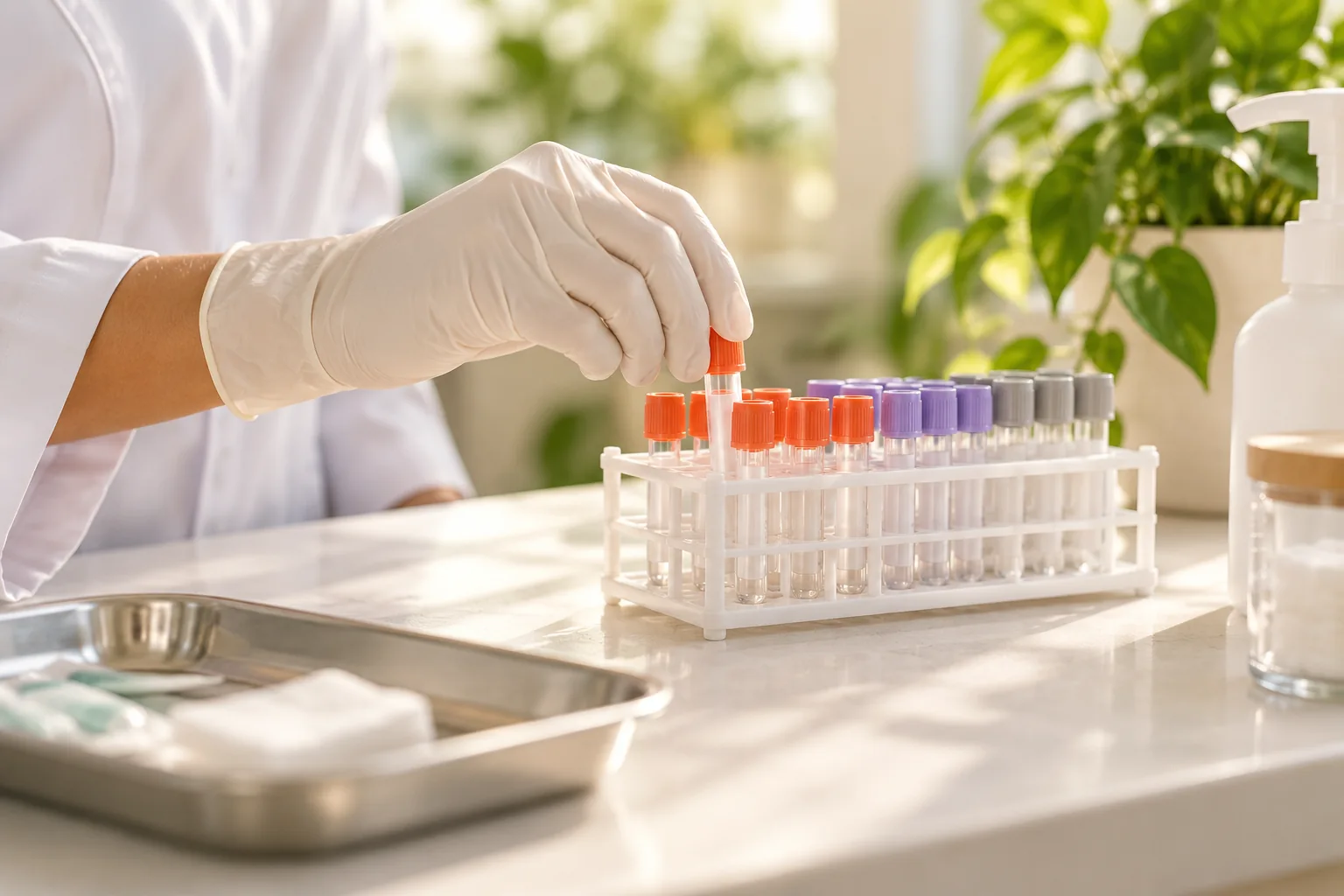
Treatment starts with an evaluation and lab testing, usually more than one morning blood draw, since testosterone levels shift through the day and from day to day. If the results confirm low testosterone and the picture fits, Dr. Sanchez discusses the options, which can include injections, gels, or other approved forms, and the tradeoffs of each. Once you start, he monitors your bloodwork over time, including testosterone levels and red blood cell counts, and adjusts the plan based on those results. You can see the clinic’s broader approach on the hormone replacement therapy page.
Who Is a Candidate for TRT

TRT is for adult men with confirmed low testosterone and symptoms that match. It is not meant for men whose levels are normal and who want an extra edge. Some conditions make it a poor or unsafe fit, including prostate cancer, a high red blood cell count, untreated severe sleep apnea, and uncontrolled heart failure. TRT can also reduce fertility, so if you are planning to have children, Dr. Sanchez discusses that with you up front. He does a full evaluation to catch these issues before treatment starts.
Safety and What Changed Recently

For years, testosterone products carried a warning about possible heart risks. In 2025, after a large trial called TRAVERSE found no increased risk of major cardiac events in men treated for hypogonadism, the FDA updated the labeling and removed that boxed warning. TRT still carries risks: it can raise red blood cell counts, affect blood pressure, and carry a risk of blood clots, and it requires ongoing prostate monitoring. Because TRT has both benefits and risks, Dr. Sanchez builds regular monitoring into the plan.
What to Expect From Results

Improvements tend to build gradually over weeks to months. Many men notice energy, mood, and libido shifting first, with changes in muscle and body composition taking longer. TRT is ongoing treatment. The benefits last while you stay on it under monitoring, and levels drop again if you stop. Dr. Sanchez tracks how you respond and adjusts the dose and form to keep you in a healthy range.
Getting Started in Miami
If low energy, low libido, or the other signs of low testosterone have been dragging on you, testing is the first step. Dr. Sanchez will check whether low testosterone is actually the cause and give you a clear answer on whether TRT is warranted. If low testosterone is affecting your sex life, the erectile dysfunction page covers related options, or you can book a consultation to get tested.
Frequently Asked Questions
What is testosterone replacement therapy?
It is a medical treatment that restores testosterone in men who have a confirmed deficiency due to a problem with the testicles, pituitary, or brain. It comes as injections, gels, or other approved forms, and blood testing guides treatment.
How do I know if I have low testosterone?
Symptoms like fatigue, low libido, and loss of muscle can point to it, but they overlap with many other conditions. The only way to know is a blood test, usually more than one, done in the morning. Diagnosis comes from the labs plus your symptoms, not symptoms alone.
Is TRT safe?
For men with a confirmed deficiency who are monitored, it has a well-established safety record, and in 2025 the FDA removed the older cardiovascular boxed warning after a large trial found no increase in major cardiac events. It still carries risks, including higher red blood cell counts and reduced fertility, which is why ongoing monitoring matters.
Does TRT cause infertility?
It can. Testosterone therapy often lowers sperm production, which can reduce fertility while you are on it. If you plan to have children, tell Dr. Sanchez so he can factor that into the plan.
Is testosterone therapy approved for aging?
Testosterone products are approved for men with hypogonadism from a medical condition, not for low testosterone caused solely by getting older. For that reason, treatment starts with a proper diagnosis and lab testing.
How long until TRT works?
Many men notice energy, mood, and libido changes within the first weeks to a couple of months, with muscle and body-composition changes taking longer. It is an ongoing treatment, and levels fall again if you stop.
Where can I get TRT in Miami?
HealthyMe Medical Therapies provides testosterone replacement therapy at its Miami Shores clinic at 9600 NE 2nd Ave, serving patients across Miami-Dade. Treatment begins with testing to confirm whether low testosterone is the cause.
About Dr. Carlos Sanchez
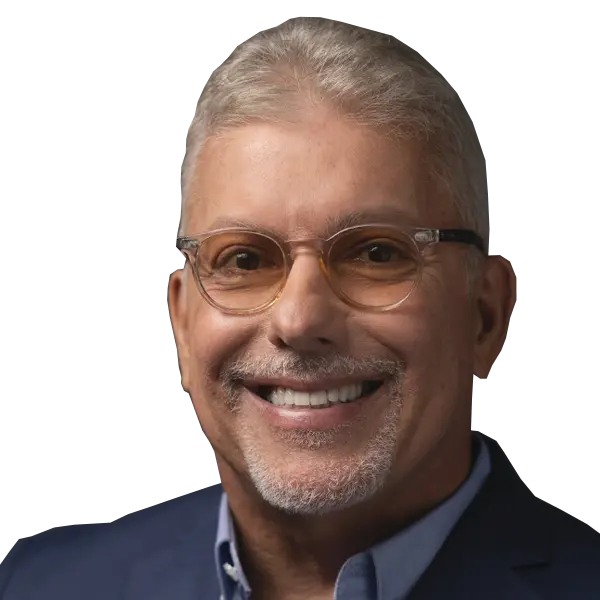
I'm Dr. Carlos Sanchez, dedicated to transforming lives through integrative medicine. My passion is restoring vitality using therapies I trust and use myself. At HealthyMe, we combine cutting-edge treatments with compassionate care to help you thrive.
Your wellness journey starts now.
You've suffered long enough. Schedule a no-obligation consultation with Dr. Sanchez.

© 2025 HealthyMe Medical Therapies - all rights reserved. Marketing by Klicker