
High-dose intravenous vitamin C is one of the most talked-about and most oversold infusions in wellness medicine. You have probably seen it promoted for everything from cancer to fatigue. Researchers are studying it, but it has not been shown to cure disease, and it can cause serious problems in people who skip screening.
What High-Dose Vitamin C Is

Vitamin C is an essential nutrient with antioxidant functions. If you take it by mouth, your gut absorption caps how much your blood can hold. At high doses through a vein, blood levels can reach far higher concentrations than any pill can produce, and at those levels vitamin C behaves differently in the body. That difference drives the research interest, along with a lot of marketing that runs ahead of the evidence.
Vitamin C and Cancer Research

High-dose vitamin C is not a proven cancer treatment, and it is not a substitute for cancer care. As the Mayo Clinic states, there is no evidence that vitamin C alone can cure cancer, and the FDA has not approved it as a cancer treatment. Researchers are studying whether high-dose IV vitamin C might help alongside standard treatments like chemotherapy or radiation, or ease treatment side effects, but that work is still in trials and the results so far are mixed, with some rigorous studies showing no benefit. If you have cancer, the most important step is to talk to your oncologist, and do not use vitamin C in place of the treatment your cancer team recommends.
What About Energy, Immunity, and “Detox”?

High-dose vitamin C is also marketed for energy, immunity, and general wellness. The evidence for those broad claims in healthy people with normal vitamin C levels is weak, the same pattern seen across IV vitamin drips. If you have a real deficiency, correcting it helps. If you do not, mega-dosing mostly gets filtered out. If you do not need it, Dr. Sanchez will tell you before you book a series.
Safety Screening Is Not Optional
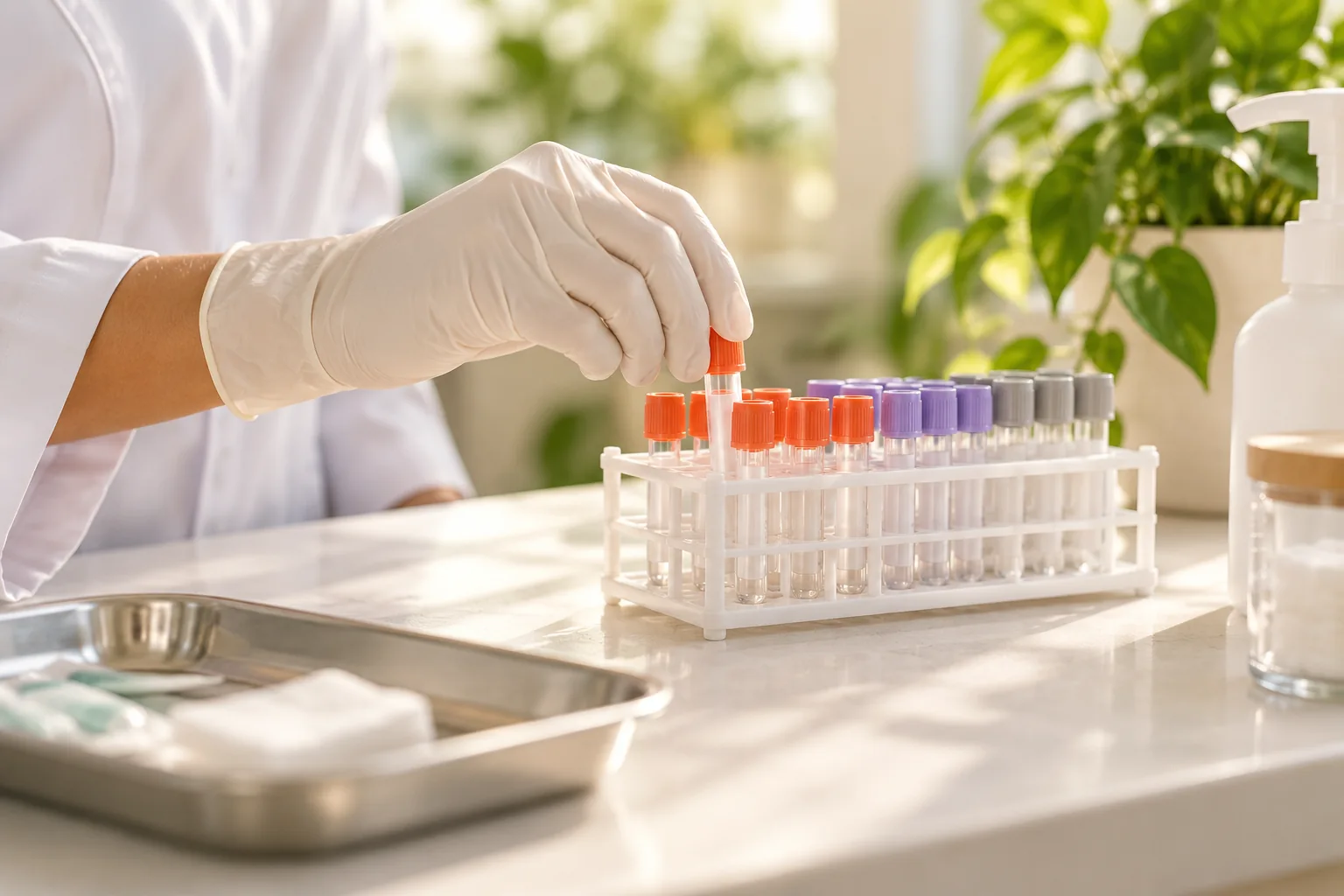
High-dose vitamin C is not harmless, and it belongs in a physician-run clinic. It can cause serious problems in certain people, so you need screening first. It can trigger dangerous red blood cell breakdown in people with a common enzyme condition called G6PD deficiency, so testing for G6PD beforehand is important. It can also be risky for people with kidney disease or kidney stones and for those with iron-overload conditions like hemochromatosis, and it can interfere with certain lab tests and treatments. At HealthyMe, Dr. Sanchez screens for these before any high-dose infusion.
Who Might Consider It, and Who Should Not

Some people pursue high-dose vitamin C as a complementary approach, ideally in coordination with the rest of their medical care. It is not appropriate as a stand-alone treatment for a serious illness, and it is not safe for everyone. Anyone with cancer should make this decision together with their oncologist, not instead of them, because timing and drug interactions matter. Dr. Sanchez uses the evaluation to sort out whether it is safe and sensible for you.
What to Expect

A high-dose infusion takes longer than a basic drip, often an hour or more, and requires the screening described above. Dr. Sanchez will be honest with you about what the evidence supports for your situation, which for many people means setting realistic expectations rather than promising a cure. You can see the clinic’s other options on the IV infusions page.
Getting Started in Miami

If you are considering high-dose vitamin C, a consultation is the place for a straight, evidence-based conversation and the necessary safety screening. If you are dealing with cancer or another serious illness, bring your treating physician into the decision. You can book a consultation to talk it through.
Frequently Asked Questions
Does high-dose vitamin C treat cancer?
No. It is not a proven cancer treatment, and the FDA has not approved it as one. Researchers are studying whether it might help alongside standard cancer treatment, but the evidence so far is mixed and some strong studies found no benefit. It should never replace the care your oncologist recommends.
Is IV vitamin C FDA-approved?
An approved injectable vitamin C product treats scurvy for a short period when oral treatment is not possible, sufficient, or appropriate. High-dose vitamin C is not FDA-approved as a cancer treatment.
Why give vitamin C by IV instead of pills?
Because your gut can absorb only so much oral vitamin C, while an IV can reach much higher blood levels. Researchers are exploring what those higher levels do, but higher levels have not been shown to cure disease.
Is high-dose vitamin C safe?
It is not harmless. It can cause dangerous red blood cell breakdown in people with G6PD deficiency, and it poses risks for people with kidney disease, kidney stones, or iron-overload conditions. Screening before treatment is essential, which is why it belongs in a physician-run setting.
Can I use it instead of chemotherapy?
No. Using high-dose vitamin C in place of proven cancer treatment can be dangerous and can cost you valuable time. Coordinate any use with your oncologist instead of substituting it for their plan.
Does it boost energy or immunity?
For people with normal vitamin C levels, the evidence for those claims is weak. Correcting a genuine deficiency helps; mega-dosing an already-sufficient body mostly does not.
Where can I get high-dose vitamin C in Miami?
HealthyMe Medical Therapies offers high-dose vitamin C infusions with proper safety screening under physician supervision at its Miami Shores clinic at 9600 NE 2nd Ave, serving patients across Miami-Dade.

About Dr. Carlos Sanchez
I'm Dr. Carlos Sanchez, dedicated to transforming lives through integrative medicine. My passion is restoring vitality using therapies I trust and use myself. At HealthyMe, we combine cutting-edge treatments with compassionate care to help you thrive.
Your wellness journey starts now.
You've suffered long enough. Schedule a no-obligation consultation with Dr. Sanchez.

© 2025 HealthyMe Medical Therapies - all rights reserved. Marketing by Klicker